Faceless digital marketing means promoting a brand, product, or service without showing your face or making your personal identity the centerpiece of your strategy. This approach is ideal for people who value privacy, feel camera shy, or want to run multiple brands without being the “face” of each.

Instead of building a personal brand, you use avatars, animations, AI voiceovers, stock footage, and well-written content to market your services or products. From YouTube automation to faceless Instagram reels and SEO blogs—there are endless ways to thrive anonymously.

This model is especially appealing for those who want to focus on results over popularity. You don’t need to be a charismatic influencer to grow a powerful online presence anymore.

Why People Choose Faceless Marketing Today

Let’s face it—not everyone wants to become a social media personality. In fact, many people want to earn online without dealing with anxiety, judgment, or burnout. That’s where faceless marketing shines.

It offers:

  • Freedom to express creatively without exposing yourself.
  • Scalability—you can operate multiple pages, sites, or channels at once.
  • Automation—leverage tools to generate content even while you sleep.

Whether you’re a freelancer, entrepreneur, or small business owner, faceless marketing lets you stay behind the scenes and still dominate your niche.

Smart Digital Marketing Strategies That Don’t Need a Face

Many ask: “If I don’t show my face, how can I build trust or generate leads?”
Here’s how—with smart, proven digital marketing strategies that focus on value over visuals.

1. Content Marketing through Blogging

Start a niche blog targeting specific problems your audience faces. Use long-form content, listicles, reviews, and guides. Focus on SEO (like you’re doing here!) to attract organic traffic.

2. YouTube Automation

Create faceless videos using tools like Pictory, InVideo, or AI voiceovers. Educational, motivational, or tutorial-based content works great here. You don’t need to record your face—just scripts, stock footage, and voice.

3. Email Marketing

Build an email list using lead magnets (like a free eBook or checklist). Write compelling email sequences using storytelling, offering value, and sharing solutions.

4. Affiliate Marketing

Promote third-party products via your faceless blog or YouTube channel. Write honest reviews, comparison posts, and how-to guides to influence purchase decisions.

The goal is simple: solve real problems through content. When people find your work helpful, they’ll trust your brand—even without seeing your face.

Can I Start a Digital Marketing Agency Without Showing My Face?

Yes, you can definitely start—and scale—a successful digital marketing agency without ever showing your face online. In fact, this “faceless” agency model is becoming more popular in 2025, especially among freelancers, remote workers, and digital nomads who want to maintain their privacy while building a strong business presence.

You don’t need to be an influencer or put your personal identity front and center to attract clients. Many profitable agencies today operate under a brand name, not a person’s name. Clients don’t care if they see your face—they care about the value you provide.

Here’s a step-by-step guide for beginners who want to start a faceless digital marketing agency:

1. Build Your Brand Identity (Without Your Face)

Start by creating a business name, logo, and brand personality. Your brand should communicate professionalism and trust.

  • Buy a domain name for your agency (e.g., [yourbrand]digital.com).
  • Design a logo using free tools like Canva or hire a designer on Fiverr.
  • Create your website showcasing your services, portfolio, testimonials, and contact details.
  • Set up social media accounts (LinkedIn, Instagram, X, Facebook) using your logo as the profile image—no personal photos needed.

This gives your agency a polished and legitimate appearance, even if you stay completely anonymous.

2. Choose Your Services

As a faceless digital marketing agency, offer in-demand services that don’t require video calls or being on camera. Here are a few beginner-friendly ones:

  • Search Engine Optimization (SEO) – Help clients rank higher in Google.
  • Social Media Management – Plan and post content, grow followers, and manage engagement.
  • Content Creation – Blog writing, email newsletters, and copywriting.
  • Paid Ads – Run Facebook Ads, Google Ads, or YouTube Ads with strategy and reports.
  • Web Design or Funnels – Create lead-capturing pages using builders like WordPress, Wix, or ClickFunnels.

Start with one or two services and expand as you gain experience or hire freelancers.

3. Build a Portfolio and Gain Trust

If you’re just starting out, the biggest concern is: “How will people trust me without seeing me?”

Here’s how to build credibility without a face:

  • Work on sample projects or personal blogs to showcase your skills.
  • Offer free or discounted work to your first 2–3 clients in exchange for testimonials.
  • Create case studies using data (traffic increase, engagement growth, ROI on ads).
  • Add this to your website and proposals as social proof.

Trust doesn’t come from your face—it comes from results.

4. Use Automation and Freelancers to Deliver Work

Running an agency solo? You don’t need to do everything yourself. Use freelancers or automation tools to streamline your workflow:

Recommended Tools:

  • Project Management: Trello, ClickUp, or Notion
  • Client Communication: Gmail + Zoom (audio only) or Loom for screen recordings
  • SEO Tools: Surfer SEO, SEMrush, Ubersuggest
  • Content Tools: Grammarly, ChatGPT, Jasper
  • Design Tools: Canva, Figma
  • Scheduling Tools: Buffer, Hootsuite

You can find virtual assistants, writers, and designers on platforms like Fiverr, Upwork, or OnlineJobs.ph. This helps you scale faster without hiring full-time staff.

5. Communicate Professionally (Without Video Calls)

You don’t need to be on Zoom with your face visible. Many clients are totally fine with:

  • Email updates
  • Loom videos with screen recordings
  • Audio calls via Zoom or Google Meet
  • A team member as your “client-facing” voice

Just make sure your communication is clear, professional, and consistent. Use branded documents, proposals, and reports to make a strong impression.

6. Start Finding Clients—Without Personal Exposure

Worried about getting clients without showing your face? Here are some faceless client acquisition strategies:

  • Cold Outreach: Send email pitches or LinkedIn messages offering value.
  • Content Marketing: Start a blog or faceless YouTube channel sharing tips for businesses.
  • Freelance Platforms: Create strong profiles on Fiverr, Upwork, Freelancer.
  • Niche Facebook Groups & Reddit: Answer questions and promote your services organically.
  • Referrals: Ask happy clients to refer others. Word-of-mouth works, even without a face.

The key is to focus on how your service solves problems—not who you are.

Pain Points You Solve With a Faceless Strategy

If you’re wondering whether people will trust a faceless brand, consider the following pain points you’re solving:

  • They want results, not selfies.
  • They care about value, not visuals.
  • They prefer working with professional, time-efficient agencies that can deliver—face or no face.

This model is also ideal for solopreneurs who want to:

  1. Work from home without the pressure of being on camera.
  2. Manage multiple income streams anonymously.
  3. Avoid burnout caused by maintaining a personal online presence.

Best Tools for Faceless Digital Marketing

Starting faceless doesn’t mean starting with nothing. Here are some tools to simplify your journey:

PurposeTools
Video CreationPictory, InVideo, Canva
VoiceoversMurf.ai, ElevenLabs
Content WritingChatGPT, Jasper
Scheduling & AutomationBuffer, Notion, Zapier
Email MarketingConvertKit, MailerLite

These tools help you create professional-level content—even if you’re a beginner.

Top Niches for Faceless Content Creators

Choosing the right niche helps you grow faster. Here are some high-performing niches perfect for faceless digital marketing:

  • Finance & Investing – Explain budgeting, credit, crypto, etc.
  • Health & Wellness – Share tips, routines, product reviews.
  • Tech & Gadgets – Unbox, review, and compare tools and apps.
  • Self-Development – Motivate through voiceovers and animated videos.
  • Affiliate Reviews – Recommend tools, courses, or software.

Each of these niches thrives with blog posts, video content, and email marketing—all faceless.

Final Thoughts

Faceless digital marketing isn’t just a trend—it’s a revolution. It empowers creators, marketers, and agency owners to build online businesses without compromising their privacy or peace of mind.

So, if you’re wondering, “Can I start digital marketing agency without showing my face?”
The answer is YES—with the right digital marketing strategies, tools, and a growth mindset, you absolutely can.
Faceless affiliate marketing is a growing business model that allows individuals to earn commissions by promoting products or services without revealing their identity. Unlike traditional affiliate marketing, which often requires personal branding, videos, or a social media presence, faceless affiliate marketing relies on digital strategies like blogging, SEO, automation, and content creation to generate passive income. This method is ideal for those who value privacy, prefer working behind the scenes, or want to build a sustainable online business without constantly being in the spotlight.

Why Faceless Affiliate Marketing is Gaining Popularity

Many aspiring entrepreneurs hesitate to start an online business due to concerns about public exposure, a lack of confidence in front of the camera, or the misconception that they need to be an expert in a specific niche to succeed. These fears often prevent people from taking action, despite the growing opportunities in the digital space. Faceless affiliate marketing addresses these common challenges by offering a way to earn online without personal branding or direct audience engagement. Here’s why more people are embracing this approach:

  • No Need to Show Your Face – Ideal for introverts, private individuals, and those uncomfortable with public attention. This model allows you to generate income without appearing in videos, using personal photos, or revealing your identity.
  • Low Startup Costs – Unlike traditional businesses that require significant investment in branding, personal websites, and video production equipment, faceless affiliate marketing can be started with minimal costs. Many strategies rely on free traffic sources like SEO and social media automation.
  • Passive Income Potential – Once your content is created and optimized, it can generate consistent traffic and commissions with little ongoing effort. Blog posts, automated YouTube videos, and scheduled social media content can work for you 24/7.
  • Scalability – This business model allows you to operate in multiple niches simultaneously. By replicating successful strategies in different industries, you can build multiple income streams and scale your earnings over time.
  • Flexibility & Freedom – Work from anywhere, set your own schedule, and build a business that fits your lifestyle. Since faceless affiliate marketing doesn’t require real-time engagement or video content creation, you can manage it on your terms.
  • No Expertise Required – Many beginners assume they need to be industry experts to succeed in affiliate marketing. However, with the right research, AI-powered content tools, and outsourcing options, you can create high-quality, value-driven content without being an authority in the niche.

As more people recognize the benefits of faceless affiliate marketing, it is becoming a preferred choice for those seeking financial freedom, passive income, and the ability to build an online business without personal exposure.

The Power of Digital Marketing in Faceless Affiliate Marketing

The success of faceless affiliate marketing is driven by the power of digital marketing. Digital marketing techniques such as SEO, paid advertising, social media automation, and content marketing help drive targeted traffic to affiliate offers. Whether you choose to create a blog, run an anonymous YouTube channel, or leverage social media platforms, mastering digital marketing ensures long-term success and consistent earnings.

Proven Faceless Affiliate Marketing Strategies for Success

  1. Creating a Niche Blog for Passive Income

Blogging remains one of the most reliable and profitable faceless affiliate marketing strategies. A well-crafted blog can serve as a long-term traffic source that generates consistent affiliate commissions. By strategically selecting a niche, producing high-quality content, and implementing search engine optimization (SEO) best practices, you can build a passive income stream that works for you even while you sleep. Here’s how to maximize your success:

  • Choose a Profitable Niche – Select a niche with a balance of high demand and low competition. Look for topics with evergreen appeal, such as health, personal finance, technology, or self-improvement.
  • Conduct In-Depth Keyword Research – Use tools like Google Keyword Planner, Ahrefs, or Ubersuggest to identify keywords with high search volume and low competition. Focus on long-tail keywords to capture targeted traffic.
  • Write High-Quality, Value-Driven Content – Your blog should provide informative, problem-solving content that engages readers. This can include detailed product reviews, comparison articles, how-to guides, and case studies.
  • Optimize for SEO – Implement on-page SEO techniques, including keyword optimization, internal linking, and meta descriptions. Use proper formatting with headings, bullet points, and multimedia elements to enhance readability.
  • Enhance User Experience – Ensure your blog is mobile-friendly, loads quickly, and has a clean, professional design. A well-structured site improves engagement and reduces bounce rates.
  • Monetize Effectively – Embed affiliate links naturally within your content, use display ads, promote digital products, or offer lead magnets to grow an email list.
  • Update & Repurpose Content – Keep your blog fresh by updating old articles, adding new insights, and repurposing content into other formats such as social media posts, videos, or infographics.

By consistently publishing valuable content and leveraging SEO strategies, you can turn your blog into a profitable faceless affiliate marketing asset that generates passive income for years to come.

2. YouTube Automation – Earning Without Showing Your Face

YouTube is a powerful platform for affiliate marketing, and the best part is—you don’t have to appear on camera. Many successful YouTube channels use voiceovers, stock footage, animations, and AI-generated content to create engaging videos. You can earn through affiliate links in video descriptions, YouTube ads, and sponsorships. Some faceless video content ideas include:

  • Product reviews and unboxings (using stock videos and AI voiceovers).
  • Compilation videos (top 10 lists, educational content, etc.).
  • Whiteboard animations explaining various topics.
  • AI-generated storytelling videos in niche markets.

3. Leveraging Social Media Automation for Affiliate Success

Social media automation is a game-changer in faceless affiliate marketing, allowing you to generate passive income without actively managing social accounts. With the rise of AI-driven tools and scheduling platforms, you can create, schedule, and distribute content automatically, ensuring a consistent online presence with minimal effort. Social media platforms like Pinterest, Instagram, Facebook, and Twitter are excellent for driving traffic to your affiliate offers. Here’s how to make the most of social media automation:

  • Pinterest Marketing – Pinterest is a powerful visual search engine. Create high-quality, eye-catching pins that link to your blog posts, affiliate products, or lead magnets. Use Tailwind or Canva to design and schedule multiple pins for maximum reach.
  • Instagram Growth Strategies – Build theme-based Instagram pages in specific niches, such as fitness, tech gadgets, or personal finance. Post engaging carousels, reels, and infographics with valuable content, and include affiliate links in your bio or captions.
  • Facebook Groups & Automation – Start a niche-focused Facebook group where you share valuable insights, discussions, and affiliate product recommendations. Automate posts using Facebook’s built-in scheduling tool or third-party apps like Hootsuite.
  • Twitter & LinkedIn Automation – Set up automated tweet threads and LinkedIn posts that provide niche-specific tips and recommendations. Use tools like Buffer or MeetEdgar to schedule posts and maintain consistency.
  • AI-Powered Chatbots for Engagement – Utilize AI chatbots on Messenger, Instagram, or website live chats to engage with users and recommend affiliate products seamlessly.

By leveraging social media automation, you can maintain an active presence, attract targeted audiences, and drive consistent traffic to your affiliate links—all without manually posting or managing accounts daily.

4. Email Marketing – The Secret to Long-Term Passive Income

Email marketing is one of the most effective ways to build long-term relationships with potential buyers and generate consistent affiliate commissions. Unlike social media algorithms, which can change unexpectedly, your email list is an asset that gives you direct access to your audience. A well-planned email marketing strategy helps nurture leads, build trust, and repeatedly promote affiliate products without being overly salesy.

Here’s how to effectively leverage email marketing for faceless affiliate marketing:

  • Create a Lead Magnet: Offer a high-value freebie (eBook, checklist, guide, webinar, or free course) to attract subscribers. Make sure your lead magnet is highly relevant to your niche to attract the right audience.
  • Build a Landing Page: A dedicated, high-converting landing page helps capture emails efficiently. Use clear messaging, strong CTAs, and trust signals (testimonials, privacy assurances) to increase sign-ups.
  • Segment Your Email List: Not all subscribers have the same interests. Use segmentation based on user behavior, preferences, or engagement levels to send targeted content.
  • Send Value-Driven Emails: Instead of bombarding your subscribers with sales pitches, focus on delivering value. Share tips, industry updates, case studies, or success stories that educate and engage readers.
  • Use Automation Tools: Automate email sequences to nurture leads without manual effort. Welcome sequences, product recommendations, and follow-up emails help maintain engagement and conversions.
  • A/B Testing and Optimization: Test different subject lines, email formats, and CTAs to determine what resonates best with your audience. Track open rates, click-through rates, and conversion metrics to refine your strategy.
  • Monetize with Affiliate Links Strategically: Place affiliate links naturally within your emails rather than forcing promotions. You can recommend products through storytelling, tutorials, or comparisons to increase trust and conversions.

With a well-optimized email marketing strategy, you can create a loyal subscriber base that continues to generate affiliate commissions over time.

5. Paid Advertising – Scaling Faster with Targeted Traffic

If you want to accelerate your results in faceless affiliate marketing, investing in paid advertising can be a game-changer. Running ad campaigns on platforms like Google Ads, Facebook Ads, TikTok Ads, and YouTube Ads allows you to drive highly targeted traffic to your affiliate links almost instantly. However, to maximize return on investment (ROI), you must approach paid advertising strategically. Here’s how:

  • Identify Your Ideal Audience: Research your target demographics, interests, and behaviors to ensure your ads reach the right people. Utilize audience segmentation, lookalike audiences, and retargeting campaigns to increase conversions.
  • Optimize Your Landing Pages: A well-designed, high-converting landing page is crucial for paid ads. Ensure it is fast-loading, mobile-friendly, and contains compelling copy, a strong call-to-action (CTA), and trust signals such as testimonials or social proof.
  • A/B Testing and Optimization: Continuously test different ad creatives, headlines, and targeting options to determine what works best. Adjust bids, refine audience targeting, and optimize ad placements to reduce costs while maintaining profitability.
  • Budget Management: Start with a small budget and gradually scale up as you identify winning campaigns. Keep an eye on key metrics such as cost-per-click (CPC), conversion rates, and return on ad spend (ROAS) to make data-driven decisions.
  • Use Multiple Ad Formats: Experiment with different ad types such as video ads, carousel ads, and native ads to engage different audience segments.
  • Retargeting and Remarketing: Many users don’t convert on their first visit. Use retargeting ads to bring back visitors who interacted with your content but didn’t make a purchase.

When done correctly, paid advertising can significantly boost your affiliate sales, helping you scale faster than organic methods alone.

Best Faceless Affiliate Marketing Jobs to Consider

There are various ways to earn with faceless affiliate marketing. Whether you prefer content creation, automation, or digital advertising, here are some of the most lucrative job opportunities:

  • Niche Blogging – Write in-depth, SEO-optimized blog posts targeting specific keywords. Monetize with affiliate links, display ads, and sponsored content. A well-researched blog can generate consistent passive income over time.
  • YouTube Automation – Create faceless videos using AI-generated voiceovers, stock footage, or animations. You can monetize through YouTube ads, affiliate promotions, and brand sponsorships without appearing on camera.
  • Email Marketing Specialist – Build an engaged email list and promote affiliate products through personalized email campaigns. Automate follow-ups, segment subscribers, and deliver value-driven content to increase conversions.
  • Social Media Management – Manage theme-based Instagram, TikTok, or Pinterest accounts that promote affiliate products. Use scheduled posts, viral content strategies, and engagement tools to drive traffic to your affiliate links.
  • Paid Ads Specialist – Manage PPC campaigns on Google Ads, Facebook Ads, TikTok Ads, and YouTube Ads to drive traffic to high-converting affiliate offers. Requires expertise in audience targeting, A/B testing, and budget management.
  • AI Content Creation – Utilize AI tools like ChatGPT, Jasper, or Pictory to generate blog articles, video scripts, and social media posts. AI-generated content can help scale affiliate marketing efforts with minimal manual work.
  • Website Flipping – Build, grow, and monetize affiliate websites, then sell them for a profit on platforms like Flippa or Empire Flippers. This strategy requires expertise in content creation, SEO, and website management.
  • Dropshipping & Print-on-Demand Affiliate Programs – Promote dropshipping products or print-on-demand merchandise without handling inventory. Create automated stores and use digital marketing strategies to drive traffic.
  • Lead Generation & CPA Marketing – Earn commissions by generating leads for companies through Cost Per Action (CPA) marketing. Requires expertise in traffic generation methods such as SEO, paid ads, and social media marketing.

With the right approach, faceless affiliate marketing jobs can provide a steady income stream while maintaining privacy and flexibility.

How to Get Started with Faceless Affiliate Marketing

Starting your faceless affiliate marketing journey requires careful planning, consistency, and a strategic approach. Follow these steps to set up a profitable business:

  1. Choose a Profitable Niche – Research and select a niche with high demand, low competition, and strong affiliate program opportunities. Look for evergreen topics that generate consistent interest over time.
  2. Pick a Primary Traffic Source – Decide whether you want to focus on blogging, YouTube automation, social media, email marketing, or paid ads. Each platform has its pros and cons, so choose one that aligns with your strengths and resources.
  3. Create High-Quality Content – Provide valuable, informative, and engaging content that addresses your target audience’s pain points. Content formats can include blog posts, YouTube videos, Pinterest pins, or automated email sequences.
  4. Optimize for SEO & Discoverability – Use the right keywords, meta tags, backlinks, and internal linking strategies to improve search engine rankings. Implement proper on-page and off-page SEO tactics to increase organic visibility.
  5. Build an Engaged Audience – Whether through social media, email lists, or organic search, consistently interact with your audience. Offer value, answer questions, and build trust to increase affiliate conversions.
  6. Monetize Your Platform – Add affiliate links naturally within your content, leverage display ads, offer sponsored content, and explore multiple revenue streams to maximize earnings.
  7. Utilize Automation Tools – Use AI tools, content schedulers, and automation software to streamline your workflow, scale your efforts, and manage your affiliate marketing business efficiently.
  8. Analyze, Optimize & Scale – Monitor key performance metrics such as traffic, click-through rates, and conversions. Adjust strategies, experiment with different content formats, and scale your business by expanding into new niches or platforms.

By following these steps and staying committed to continuous learning, you can establish a successful faceless affiliate marketing business that generates passive income over time.

Final Thoughts:

Faceless affiliate marketing is an excellent opportunity for anyone looking to generate passive income online without personal branding. By leveraging the power of digital marketing, implementing the right faceless affiliate marketing strategy, and focusing on jobs that align with your skills, you can build a sustainable online business. Whether you’re a beginner or an experienced marketer, this business model offers financial freedom, flexibility, and unlimited earning potential.

Start today, experiment with different strategies, and watch your faceless affiliate marketing business grow!

In today’s digital world, personal branding is often emphasized as the key to success. However, not everyone is comfortable being in the spotlight. Many individuals and businesses prefer to maintain anonymity while still leveraging the power of digital marketing. This is where faceless digital marketing comes in—a strategy that enables you to build and scale an online business without showing your face.

Whether you’re looking for faceless digital marketing jobs, seeking the best faceless digital marketing strategy, or interested in enrolling in a faceless digital marketing course, this guide will help you get started.

What is Faceless Digital Marketing and why choose us?

Faceless digital marketing refers to the practice of promoting products, services, or content without using personal identity or direct involvement in branding. Instead of being the face of your business, you create content that revolves around topics, visuals, and brand messaging without relying on a personal presence.

It offers numerous advantages, making it an attractive option for entrepreneurs, freelancers, and businesses looking to expand their reach without putting a face to their brand. Here’s why this approach is gaining popularity:

1. Enhanced Privacy & Anonymity

One of the primary reasons people choose faceless digital marketing is the ability to maintain complete privacy. Unlike traditional personal branding, this strategy allows you to create, market, and sell without exposing your personal identity. This is particularly beneficial for individuals who value online security, prefer to stay out of the public eye, or are operating in regions where personal exposure can lead to unwanted risks.

Moreover, with increasing concerns about online privacy, faceless marketing provides a shield against identity theft, cyberstalking, and data misuse, ensuring a safer and more controlled digital presence.

2. Unlimited Scalability & Business Expansion

Faceless digital marketing enables you to manage multiple brands, websites, or channels simultaneously without being personally tied to any single one. This approach allows entrepreneurs to diversify their revenue streams and enter multiple niches without needing to maintain a personal brand for each. For example:

  • Running multiple niche YouTube channels without appearing on camera.
  • Managing several authority blogs and monetizing them with ads and affiliate marketing.
  • Owning multiple e-commerce stores under different brand names without a personal association.

Since the focus remains on content and automation rather than personal engagement, scaling the business becomes much easier and faster than traditional influencer-led branding.

3. Passive Income Opportunities

Many faceless digital marketing strategies are built around automation and passive income models, reducing the need for active, day-to-day involvement. Methods such as blogging, affiliate marketing, YouTube automation, and dropshipping allow you to generate revenue while minimizing manual efforts. Key ways to earn passive income include:

  • YouTube Automation: Creating AI-generated videos, outsourcing video production, and monetizing via ad revenue.
  • Blogging & SEO: Writing evergreen content that ranks on search engines and generates ad revenue or affiliate sales.
  • Print on Demand: Selling custom-designed merchandise without managing inventory.
  • Dropshipping: Running an e-commerce business where suppliers handle fulfillment, reducing operational hassle.

With the right strategies, faceless digital marketing can provide financial freedom and the flexibility to earn money 24/7 with minimal active participation.

4. Low Investment & Cost-Effective Growth

Unlike traditional business models that require significant capital for branding, advertising, and product development, faceless digital marketing requires minimal startup costs. Many successful faceless marketers start with free or low-cost platforms and gradually scale their businesses as they generate revenue.

Some of the cost-effective ways to get started include:

  • Starting a blog using low-cost hosting and a free WordPress theme.
  • Launching a YouTube channel using free video creation tools like Canva and Pexels.
  • Using social media automation tools to manage faceless Instagram and TikTok pages.
  • Leveraging free SEO tools to optimize content without paid advertising.

With proper strategy and consistency, faceless digital marketing allows you to build a profitable business without requiring large financial investments upfront.

Best Faceless Digital Marketing Strategies

Succeeding in faceless digital marketing requires leveraging the most effective strategies. Here are the best approaches for building and scaling a successful faceless digital business:

1. Niche YouTube Channels (Without Showing Your Face)

  • Leverage AI-generated voices or hire professional voiceover artists to narrate videos.
  • Use stock footage, animations, or screen recordings to create engaging video content.
  • Optimize video titles, descriptions, and thumbnails using SEO best practices to maximize reach and engagement.
  • Automate content production by outsourcing scriptwriting, video editing, and thumbnail creation.
  • Monetize through YouTube ad revenue, sponsorships, and affiliate marketing.

2. Blogging & SEO Marketing

  • Start a blog in a profitable niche and monetize with ads, affiliate marketing, or digital product sales.
  • Write high-quality, SEO-optimized content targeting low-competition, high-traffic keywords.
  • Focus on evergreen content to build long-term passive income streams.
  • Use AI-powered SEO tools like SurferSEO, Ahrefs, or SEMrush for keyword research and content optimization.
  • Implement an effective backlink strategy to improve search rankings.

3. Affiliate Marketing

  • Promote products and services through blogs, YouTube, or social media without appearing on camera.
  • Create product reviews, comparison articles, and tutorial content to drive traffic and conversions.
  • Use social media platforms like Pinterest, TikTok, and Twitter to share affiliate content.
  • Join high-paying affiliate programs in trending niches such as technology, finance, and health.
  • Leverage email marketing and sales funnels to nurture leads and increase commissions.

4. Dropshipping & E-commerce

  • Launch an online store using platforms like Shopify or WooCommerce without managing inventory.
  • Utilize print-on-demand services to sell custom-designed merchandise without upfront costs.
  • Optimize product listings with high-quality images, compelling descriptions, and keyword-rich content.
  • Use paid ads, influencer partnerships, and organic SEO to drive sales.
  • Automate order fulfillment and customer support using AI-powered chatbots and virtual assistants.

5. Print on Demand & Digital Products

  • Design and sell print-on-demand merchandise such as T-shirts, mugs, and posters on platforms like Etsy and Redbubble.
  • Create and sell digital products like e-books, templates, and online courses via Gumroad, Teachable, or Udemy.
  • Utilize AI tools to generate high-quality content for digital products.
  • Market products through social media, Pinterest marketing, and content-based SEO strategies.

6. Social Media Automation & Faceless Instagram Pages

  • Run theme-based Instagram, Facebook, and Pinterest pages focused on viral content.
  • Automate content scheduling using tools like Buffer, Later, or Canva.
  • Grow pages organically by leveraging trending hashtags, engagement strategies, and influencer collaborations.
  • Monetize through sponsorships, affiliate links, and ad placements.
  • Repurpose content across multiple platforms to maximize reach and efficiency.

By implementing these strategies effectively, you can build a profitable faceless digital marketing business that operates efficiently while maintaining your privacy.

Best Faceless Digital Marketing Courses to Learn & Earn

If you want to master faceless digital marketing, enrolling in a high-quality online course can provide structured learning, expert insights, and step-by-step strategies. Here are some of the best courses available to help you build a profitable faceless digital marketing career:

1. Faceless YouTube Mastery

This course teaches you how to build and monetize a YouTube channel without ever appearing on camera. You’ll learn how to create engaging videos using stock footage, AI-generated voiceovers, and video editing tools.

  • What You’ll Learn:
    • How to research profitable YouTube niches.
    • Video scripting, editing, and thumbnail design.
    • YouTube SEO and algorithm optimization.
    • Monetization strategies including ads, affiliate marketing, and sponsorships.
  • Best For: Content creators, entrepreneurs, and marketers looking to build an anonymous YouTube presence.

2. Affiliate Marketing Blueprint

This course covers everything you need to start and scale an affiliate marketing business, allowing you to earn commissions without creating your own products.

  • What You’ll Learn:
    • Finding profitable affiliate programs and networks.
    • Building high-converting niche websites and blogs.
    • SEO, email marketing, and content strategies for driving traffic.
    • Passive income strategies for long-term success.
  • Best For: Bloggers, content marketers, and individuals interested in passive income.

3. SEO for Beginners

Master the fundamentals of SEO (Search Engine Optimization) and learn how to rank websites, blogs, and online stores on Google to drive organic traffic.

  • What You’ll Learn:
    • Keyword research and on-page SEO techniques.
    • Link-building strategies for higher domain authority.
    • Technical SEO to improve website performance.
    • Using SEO tools like Ahrefs, SEMrush, and Google Analytics.
  • Best For: Business owners, bloggers, and marketers who want to drive free traffic from search engines.

4. Dropshipping & E-commerce Bootcamp

This course teaches you how to start and scale an online store without holding inventory, using dropshipping and automation techniques.

  • What You’ll Learn:
    • Finding winning products and reliable suppliers.
    • Setting up Shopify or WooCommerce stores.
    • Running profitable Facebook, Google, and TikTok ad campaigns.
    • Automating fulfillment and customer support.
  • Best For: Entrepreneurs looking to start a profitable e-commerce business with minimal investment.

5. Social Media Automation Course

Learn how to grow, manage, and monetize faceless social media pages, including Instagram, Pinterest, and TikTok, using automation tools.

  • What You’ll Learn:
    • Content creation and scheduling with AI tools.
    • Growing Instagram, TikTok, and Pinterest pages organically.
    • Monetization methods like affiliate marketing and brand sponsorships.
    • Using chatbots and automation tools for engagement.
  • Best For: Social media managers, entrepreneurs, and marketers who want to grow social media pages without revealing their identity.

Faceless Digital Marketing Jobs: Work Remotely & Earn

The demand for skilled digital marketers continues to rise as businesses prioritize online growth. If you want to work remotely and earn a stable income, here are some of the most sought-after faceless digital marketing jobs that allow you to remain anonymous while making an impact:

1. SEO Specialist

As an SEO specialist, your role is to optimize websites to improve search engine rankings and increase organic traffic. This involves keyword research, on-page and off-page SEO, technical SEO audits, and link-building strategies. Many businesses and content creators outsource SEO tasks, making it a high-demand skill.

  • Tools to Learn: Google Search Console, Ahrefs, SEMrush, SurferSEO
  • Average Salary: $45,000 – $80,000 per year (freelancers can earn more based on experience)

2. Content Writer & Copywriter

Content writers create blog posts, website articles, and social media content, while copywriters specialize in persuasive writing for advertisements and sales pages. As a faceless marketer, you can write under a brand name or as a ghostwriter.

  • Tools to Learn: Grammarly, Hemingway Editor, Frase.io, Jasper AI
  • Average Salary: $40,000 – $70,000 per year (freelancers can charge per word or project)

3. Affiliate Marketer

Affiliate marketers earn commissions by promoting products and services without handling inventory. This involves writing product reviews, running comparison blogs, and leveraging social media marketing.

  • Best Affiliate Programs: Amazon Associates, ClickBank, ShareASale, PartnerStack
  • Potential Earnings: Unlimited, based on traffic and conversions

4. Social Media Manager

A social media manager handles the content planning, scheduling, and engagement strategies for brands, often running faceless Instagram, TikTok, and Pinterest accounts.

  • Tools to Learn: Buffer, Later, Canva, Hootsuite
  • Average Salary: $50,000 – $90,000 per year (freelance rates vary)

5. PPC & Ads Manager

This job involves creating and managing paid advertising campaigns on platforms like Google Ads, Facebook Ads, and TikTok Ads. PPC specialists analyze data to optimize ad performance and improve return on investment (ROI).

  • Tools to Learn: Google Ads, Meta Ads Manager, Google Analytics
  • Average Salary: $55,000 – $100,000 per year

6. Email Marketer

Email marketers develop email campaigns that drive sales and customer engagement. They design automated email sequences, newsletters, and promotional emails for businesses.

  • Tools to Learn: Mailchimp, ConvertKit, ActiveCampaign
  • Average Salary: $45,000 – $80,000 per year

With these high-demand jobs, you can build a successful faceless digital marketing career while enjoying the flexibility of remote work.

Conclusion

Faceless digital marketing is a powerful and lucrative strategy that allows you to build an online business, generate passive income, and work remotely without showing your face. Whether you’re looking for faceless digital marketing jobs, seeking the best faceless digital marketing strategy, or enrolling in a faceless digital marketing course, now is the perfect time to start.

By leveraging the right strategies and staying consistent, you can create a successful digital marketing business while maintaining your anonymity.

Are you ready to start your faceless digital marketing journey? Let us know which strategy interests you the most!

In today’s highly competitive online space, selecting the right digital marketing channels can make or break your business strategy. These channels connect businesses to their audience, helping them achieve goals such as brand visibility, customer engagement, and increased revenue. But with so many options available, where should you start?

This blog will help you understand the top groupings of digital marketing channels, how to optimize them for success, and address common challenges faced by businesses trying to navigate the digital landscape.

What Are Digital Marketing Channels?

Digital marketing channels refer to the platforms, tools, or techniques used to promote products and services online. These channels facilitate communication between businesses and their target audience, offering various ways to build relationships, drive conversions, and achieve marketing goals.

Whether through organic methods like Search Engine Optimization (SEO) or paid strategies such as Pay-Per-Click (PPC) advertising, each channel has unique strengths tailored to specific marketing objectives.

Top Groupings of Digital Marketing Channels

1. Search Engine Marketing (SEM)

SEM combines paid search strategies and organic SEO techniques to help businesses achieve higher visibility on search engine result pages (SERPs). It’s especially effective for businesses looking to:

  • Target high-intent customers: Reach audiences searching for specific products or services.
  • Achieve faster results: Paid search ads ensure instant visibility.
  • Maximize ROI: Keyword research and precise targeting minimize ad spend wastage.

Pain Point Solution: Businesses often struggle with managing SEM budgets. Tools like Google Ads and analytics platforms can provide insights to improve performance and reduce unnecessary costs.

2. Social Media Marketing (SMM)

Social media platforms such as Facebook, Instagram, LinkedIn, and TikTok are indispensable for businesses aiming to engage with diverse demographics.

Key advantages of SMM include:

  • Audience segmentation: Tailor content and ads to specific groups based on age, interests, and behavior.
  • Brand storytelling: Use visuals, stories, and live sessions to build emotional connections.
  • Cost-effective campaigns: Adjust ad budgets to suit your financial resources.

Pain Point Solution: Many businesses struggle with content consistency on social media. A robust content calendar and automation tools can ensure your audience remains engaged.

Understanding the Role of Search Intent

Search intent refers to the purpose behind a user’s search query, and it’s a critical factor in crafting effective digital marketing strategies. Understanding search intent ensures you’re delivering the right content to the right audience.

Types of Search Intent:

  • Informational Intent: Users seek knowledge. Create blogs, guides, and videos to address their queries.
  • Navigational Intent: Users look for specific websites. Optimize branded keywords for easy discovery.
  • Transactional Intent: Users are ready to purchase. Offer compelling product descriptions, reviews, and discounts.

Pain Point Solution: Misalignment of content with intent can frustrate users. Conduct audience research and analyze search behavior using tools like SEMrush and Google Analytics to better understand their needs.

Competitor Insights for Optimizing Channels

Analyzing competitors can provide valuable insights into what works and what doesn’t in your industry. Here’s what we can learn from leading digital marketing sites:

  • Make It Clear: Focuses on simplifying complex strategies for beginners.
  • Springboard: Highlights the importance of aligning marketing channels with overall business goals.
  • Digital Next: Emphasizes personalization in campaigns to enhance audience engagement.
  • Decibel Ads: Stresses the significance of data-driven decisions in channel optimization.

Pain Point Solution: Businesses often overlook competitor analysis. Tools like Ahrefs or SEMrush can help identify competitor strategies and provide actionable insights.

Emerging Digital Marketing Channels to Watch

1. Influencer Marketing

Collaborating with influencers helps brands tap into pre-built audiences. This channel is particularly effective for creating authentic connections and enhancing credibility.

2. Voice Search Optimization

With the rise of voice-activated devices, optimizing content for voice search is crucial. Focus on natural language and long-tail keywords to cater to this trend.

Conclusion

The top groupings of digital marketing channels discussed in this blog highlight the importance of a well-rounded approach. By understanding the unique benefits of SEM, SMM, and other emerging channels, businesses can craft strategies that align with their goals and audience’s search intent.

Take a proactive step today by analyzing your audience’s needs, researching competitors, and optimizing your digital marketing channels for maximum impact. Success starts with the right choices.

In the fast-paced digital world of 2025, businesses must adopt a forward-thinking Facebook marketing strategy to stay ahead. By reflecting on the evolution of marketing from the 2000s and addressing current trends, brands can create campaigns that resonate with their audiences.

What Was Marketing Like in the 2000s?

The 2000s marked the beginning of a digital revolution. Traditional marketing channels such as TV, radio, print, and outdoor ads were still dominant, but the internet was beginning to reshape the landscape. Here are some key highlights from the era:

  1. Rise of Email Marketing: Marketers used email campaigns to connect with customers, though personalization was minimal compared to today.
  2. Static Websites: Websites that act as digital brochures rather than dynamic platforms for interaction.
  3. Social Media Emergence: Facebook, launched in 2004, was initially a college networking site. Marketers soon realized its potential, experimenting with rudimentary ad campaigns.
  4. Limited Analytics: Unlike today, tracking marketing ROI was challenging, leading to less data-driven decision-making.

Facebook Marketing Strategy for 2025: Key Components

To succeed in 2025, marketers must prioritize innovation, personalization, and adaptability. Here’s how to craft a winning strategy:

1. Understand Your Audience

Use Facebook’s advanced tools to gain insights into audience demographics, behaviours, and preferences. Segment your audience into smaller, more defined groups to deliver highly personalized content.

Example: A fitness brand might target segments like “working moms” or “college athletes,” tailoring their messaging to each group’s specific needs.

Knowing your audience’s pain points, such as affordability, time constraints, or lack of expertise, can help shape compelling content that directly addresses these challenges.

2. Leverage Diverse Content Formats

Facebook’s algorithm favors engaging and varied content. Incorporate videos, carousel ads, and stories into your campaigns to keep your audience engaged.

Key Tip: Use short-form videos (15-30 seconds) to grab attention quickly. Highlight customer testimonials, product demonstrations, or behind-the-scenes glimpses.

Ensure your content educates, entertains, or inspires action. For instance, a detailed guide on “How to Save on Ads Using Facebook’s Analytics” can position your brand as an authority.

3. Utilize AI and Automation

AI is a game-changer for Facebook marketing. From chatbots that enhance customer service to AI-driven ad placement that optimizes ROI, automation is essential in 2025.

Benefits of AI:

  • Predict customer behavior for better targeting.
  • Automate repetitive tasks like scheduling posts.
  • Provide personalized recommendations to users.

Actionable Insight: Use AI-powered tools to test multiple ad variations simultaneously. This strategy can identify the best-performing content faster, saving time and resources.

4. Focus on Privacy and Transparency

With growing concerns about data privacy, businesses must adopt transparent practices. Ensure your audience knows how their data is being used and offer opt-out options.

Quick Tip: Regularly update your privacy policies and communicate them effectively to your audience.

Transparency builds trust, especially in competitive markets. Share success stories or case studies highlighting how you safeguard consumer data

5. E-commerce Integration

Facebook’s e-commerce features allow seamless shopping experience. Set up a Facebook Shop and use shoppable posts to drive conversions directly on the platform.

Success Tip: Optimize your product catalogue with high-quality images and detailed descriptions to boost credibility.

Emphasize limited-time offers or bundle deals to create urgency, driving immediate action.

Emerging Trends for 2025

  1. Generative AI: Create unique and engaging content efficiently, such as personalized ad copy and visuals.
  2. AR/VR Experiences: Leverage augmented and virtual reality to provide immersive brand experiences.
  3. Sustainability Messaging: Highlight eco-friendly initiatives to connect with socially conscious consumers.

Enhanced Strategy: Combine these trends with insights from analytics to refine your Facebook marketing campaigns.

Pain Points and Solutions

  • Low Engagement Rates: Experiment with content types, use interactive polls, and analyze posting times for better reach.
  • High Ad Costs: Use Facebook’s AI tools to optimize campaigns and focus on high-performing audiences.
  • Privacy Concerns: Build trust through clear communication and ethical practices.

By understanding the evolution of marketing since the 2000s and staying ahead of the latest trends, businesses can master the art of Facebook marketing in 2025. Prioritize innovation, transparency, and user experience to drive lasting results.

Remember, a strong Facebook marketing strategy doesn’t just promote products—it builds meaningful connections with your audience.

An email marketing server is a self-hosted system that enables you to send bulk emails to your subscribers without relying on third-party platforms. For businesses, this approach offers cost efficiency, full control over data, and customization options.

By setting up your email marketing server on a laptop, you can:

  • Save recurring subscription costs.
  • Ensure data security and privacy.
  • Customize features to suit your specific marketing needs.

This guide walks you through the process step by step, addressing common pain points and providing actionable insights to help you succeed.

Benefits of Setting Up a Self-Hosted Email Marketing Server

1. Cost Savings

Third-party email marketing services often charge high fees based on the size of your email list. A self-hosted solution eliminates these recurring costs, making it ideal for startups and small businesses with tight budgets.

2. Enhanced Data Privacy

When you control the server, you control your data. This reduces the risk of breaches and ensures compliance with privacy regulations like GDPR.

3. Customization and Scalability

Unlike third-party services, a self-hosted server lets you customize email templates, delivery settings, and automation workflows to match your unique requirements.

What Do You Need to Build an Email Marketing Server?

To get started, gather the following tools and resources:

  1. Laptop with Adequate Resources
    • Minimum specs: 8GB RAM, 256GB SSD, and a stable internet connection.
  2. Domain and DNS Configuration
    • Purchase a custom domain and configure DNS records for authentication.
  3. Email Server Software
    • Recommended tools: MailWizz, Postal, or Postfix.
  4. Database Management
    • Use MySQL or PostgreSQL to store subscriber data.
  5. Email Tracking and Analytics
    • Tools like Google Analytics help monitor campaign performance.

Step-by-Step Guide to Building Your Email Marketing Server

Step 1: Prepare Your Laptop

Start by ensuring your laptop has the necessary hardware and software resources. Install a lightweight operating system like Ubuntu Linux for optimal performance.

Step 2: Install Email Server Software

Choose software like Postfix or MailWizz, known for their reliability and user-friendly interfaces. Follow these steps:

  • Install the software using command-line tools or GUI installers.
  • Configure sending limits to avoid blacklisting by email providers.

Step 3: Configure DNS Records for Authentication

Set up SPF, DKIM, and DMARC records for your domain. These records validate your emails and prevent them from being flagged as spam. Keywords such as “email marketing server” and “email marketing” are crucial for understanding these technical setups, ensuring a smooth process for new users.

Step 4: Optimize Email Deliverability

Gradually increase your sending volume to build a positive IP reputation. Use warm-up tools to automate this process. Proper deliverability ensures your “email marketing” campaigns reach your audience effectively.

Step 5: Monitor and Secure Your Server

Regularly update your system to prevent security vulnerabilities. Use tools like fail2ban and firewalls to protect your server from unauthorized access. Security is vital for maintaining trust in your “email marketing server.”

Addressing Common Pain Points

1. Deliverability Issues

Emails landing in spam folders are a common issue. Ensure proper DNS configuration and avoid using spam-trigger words in your email content. Use “email marketing” best practices to craft effective, engaging messages.

2. Server Downtime

Downtime can disrupt campaigns. Schedule regular maintenance and use uptime monitoring tools to ensure your server runs smoothly. A reliable “email marketing server” avoids disruptions and keeps campaigns on track.

3. Lack of Technical Expertise

For beginners, setting up an email marketing server can be intimidating. Leverage tutorials, forums, and support communities to overcome technical challenges. Resources focused on “email marketing” setups are particularly helpful for newcomers.

Competitor Analysis: What Sets You Apart?

Competitors like MailWizz and WarriorForum focus on technical setups but often overlook user-friendly explanations. By breaking down the steps and addressing common pain points, you can attract readers who value clarity and actionable advice. Your “email marketing server” setup will stand out as a detailed and approachable guide.

Conclusion: Empower Your Email Marketing with a Self-Hosted Server

Building your own email marketing server offers unmatched flexibility, cost savings, and control. With proper setup and maintenance, you can create campaigns that effectively engage your audience while ensuring data privacy. Whether you’re a small business or a growing enterprise, this guide equips you with the tools and knowledge to succeed.

Start your journey today and experience the benefits of self-hosted email marketing firsthand. Remember, mastering your “email marketing server” ensures long-term success and independence.

Google Trends has recently unveiled several exciting updates to its “Trending Now” tool, making it more valuable than ever for crafting data-driven press releases. These updates provide real-time insights, empower marketers, and help researchers analyze trends more precisely. In this blog, we’ll explore leveraging these updates and making your press release stand out.How Google Trends Enhances Press Release Writing

Fresher Data for Accurate Insights

Google Trends’ new forecasting engine ensures users get the latest data, enabling marketers to base their press releases on real-time information. Whether launching a product or addressing an emerging topic, accessing the most current data strengthens your messaging.

Expanded Coverage Across Regions

Now available in over 100 countries, Google Trends makes it easier to tailor press releases for diverse audiences. By analyzing regional data, you can identify specific interests and craft headlines that resonate globally, giving your press release a competitive edge.Features That Revolutionize the “Trending Now” Tool

Faster, Smarter, and More Customizable

The revamped “Trending Now” tool is both powerful and user-friendly. With enhanced customization, users can fine-tune results to uncover relevant insights to their press releases. This level of detail ensures you’re targeting the right audience with the right message.

Real-Time Search Behavior Insights

Real-time search insights allow you to spot trends as they happen. For example, if a new cultural moment takes over the internet, your press release can capitalize on it instantly, ensuring maximum relevance.

Tips for Using Google Trends in Press Releases

Analyzing Google Trends Data

Start by diving into trending keywords and topics. Use the tool’s real-time data to identify what’s gaining traction and incorporate these terms into your press release to enhance its discoverability.

Crafting Targeted Headlines

A headline is the gateway to your press release. With Google Trends’ insights, you can create headlines that align with what your audience is searching for, increasing click-through rates and engagement.

Incorporating Competitor Keywords

Analyzing competitors like Motive PR and Search Engine Land can inspire and identify gaps in your press release strategy. Use their keywords to refine your content and stay ahead in the search rankings.

Why Keywords Matter in Press Releases

Understanding the Role of Keywords

Keywords are the backbone of any successful press release. By strategically incorporating keywords like “press release,” “search internet,” and “competitor keywords” into your content, you improve its visibility on search engines. Keywords act as signals, guiding your target audience to your content.

Using Long-Tail Keywords

In order to better match user searches and generate more targeted traffic, long-tail keywords are more particular phrases that capture search intent. For example, rather of simply using “press release,” think about using “how to write an effective press release” or “press release trends for 2025.”

Keyword Placement Best Practices

Place your primary keyword, “press release,” in critical areas such as the title, meta description, and headings—sprinkle-related keywords throughout the content to maintain readability while boosting SEO performance.

Practical Applications of Google Trends for PR Professionals

Building Data-Driven Narratives

PR professionals can use Google Trends to gather data that supports their press release narratives. For example, highlighting a trending topic with real-time insights can make your story more compelling and newsworthy.

Improving Audience Targeting

With detailed regional and global data, you can refine your press release’s focus to address your audience’s needs and interests. This targeted approach increases engagement and drives better results.

Staying Ahead of Competitors

Monitoring competitor keywords and their use of Google Trends can provide valuable insights. Adjust your strategies to fill gaps they’ve missed or build on their strengths to outshine them in search rankings.

Conclusion:

You may create press releases that connect with your target audience and increase your search engine results by utilizing more current data, local insights, and current trends. Discover Google Trends immediately and transform your PR strategy.

The Vermont State Police (VSP) plays a critical role in maintaining public safety across the state. To ensure transparency and keep the community well-informed, the VSP regularly issues news releases that detail incidents, arrests, and public safety updates. These releases are a vital tool for keeping residents aware of developments that could impact their lives or communities. In this article, we explore everything you need to know about VSP news releases and why they’re essential.

What Are VSP News Releases?

VSP news releases are official communications issued by the Vermont State Police to provide timely updates on significant incidents, arrests, and safety advisories. These releases cover topics like:

  • Arrests made in connection with criminal activities.
  • Updates on motor vehicle accidents and road closures.
  • Alerts about public safety threats and investigations.

Each release includes essential details such as the date, location, and nature of the event, along with any actions taken by law enforcement. The structured format ensures that the information is both accurate and easy to understand, catering to the needs of both the media and the general public.

Why Are VSP News Releases Important?

Staying informed through VSP news releases offers numerous benefits:

  • Transparency: These updates foster trust between law enforcement and the public by providing a clear picture of ongoing activities.
  • Community Awareness: By following VSP news releases, residents can stay aware of safety hazards, road closures, and criminal activities in their area.
  • Timely Information: Immediate access to information helps individuals make informed decisions, whether it’s avoiding a closed road or reporting suspicious activity.

How to Access VSP News Releases

The Vermont State Police makes it easy for the public to stay updated. Here are the primary ways to access their news releases:

  1. Official VSP Website:
  2. Blog Updates:
    • The VSP blog is frequently updated with new incidents and advisories.
  3. Media Outlets:
    • Local media channels often pick up VSP news releases and report them to a broader audience.

By exploring these resources, you can ensure that you’re always in the know about public safety developments.

How VSP News Releases Address Search Intent

Search intent for “VSP News Releases” often revolves around the need for accurate and timely information. Here’s how these releases cater to different intents:

  • Informational Intent: Individuals searching for updates on specific incidents, like motor vehicle accidents or arrests, can rely on VSP news releases for credible and detailed reports.
  • Navigational Intent: Those seeking direct access to Vermont State Police news archives or blogs can easily locate the desired resources through structured online platforms.
  • Transactional Intent: Media outlets and journalists often use VSP releases to prepare accurate reports, ensuring that the public remains informed.

VSP News Releases vs. Competitor Updates

While the Vermont State Police’s news releases set a high standard for transparency and detail, it’s helpful to compare their approach with other state police departments. For instance:

These comparisons highlight the importance of well-structured news releases in keeping communities informed.

The Target Audience’s Pain Points

The primary audience for VSP news releases includes:

  • Local Residents: Concerned about public safety and wanting updates on nearby incidents.
  • Media Professionals: Seeking accurate, official information for reporting.
  • Community Leaders: Using these updates to inform public discussions and initiatives.

By addressing these groups’ needs, VSP news releases ensure that critical information is delivered effectively.

Practical Tips for Using VSP News Releases

To make the most of VSP news releases, consider the following tips:

  1. Subscribe for Updates: Many VSP platforms offer subscription services for real-time alerts.
  2. Share Key Information: If you find a release relevant to your community, share it on social media or local forums to enhance awareness.
  3. Engage with Law Enforcement: Use the contact information provided in releases to report additional insights or ask clarifying questions.

These steps can help ensure you’re leveraging the full value of these updates for personal or community benefit.

Conclusion

VSP news releases are more than just updates; they are a cornerstone of public safety and transparency. By staying informed through these releases, you can stay proactive about safety and remain connected to your community. Whether you’re a resident, journalist, or public official, the Vermont State Police’s dedication to timely, detailed communication ensures that you’ll never miss important updates. Explore the official VSP channels today and stay informed!

In today’s digital landscape, leveraging social media platforms is essential for small businesses aiming to expand their reach and engage with their target audience. Facebook and Instagram, with their vast user bases, offer unparalleled opportunities for growth. Implementing effective marketing strategies on these platforms can significantly enhance your business’s visibility and customer engagement.

Understanding Facebook Marketing for Small Businesses

Facebook marketing involves creating and actively managing a Facebook Business Page to promote your products or services. This includes sharing engaging content, interacting with followers, and utilizing Facebook’s advertising tools to reach a broader audience. For small businesses, a well-executed Facebook marketing strategy can lead to increased brand awareness, customer loyalty, and sales.

Key Strategies for Effective Facebook Marketing

  1. Optimize Your Facebook Business Page
    Ensure your business page is complete with up-to-date information, including contact details, business hours, and a compelling ‘About’ section. Use a recognizable profile picture and an engaging cover photo that reflects your brand identity. Regularly updating your page with relevant content keeps your audience informed and engaged.
  2. Create Engaging Content
    Share a variety of content types, such as images, videos, and articles, to keep your audience interested. Utilize Facebook Stories and Reels to showcase behind-the-scenes glimpses of your business, highlight customer testimonials, or announce promotions. Interactive content like polls and Q&A sessions can also boost engagement.
  3. Leverage Facebook Ads
    Facebook’s advertising platform allows you to target specific demographics, interests, and behaviors, ensuring your ads reach the most relevant audience. Start with a modest budget and experiment with different ad formats, such as carousel ads or video ads, to determine what resonates best with your audience.
  4. Engage with Your Audience
    Respond promptly to comments and messages to build a community around your brand. Encourage user-generated content by hosting contests or featuring customer stories. Active engagement fosters trust and loyalty among your followers.
  5. Analyze Performance Metrics
    Utilize Facebook Insights to monitor the performance of your posts and ads. Analyzing metrics such as reach, engagement, and conversion rates helps you understand what works and where improvements are needed. Adjust your strategy based on these insights to optimize results.

Integrating Instagram into Your Marketing Strategy

Given that Instagram is owned by Facebook, integrating your marketing efforts across both platforms can amplify your reach. Ensure consistent branding and cross-promote content to engage followers on both networks. Utilize Instagram’s features like Stories, IGTV, and Shopping to provide a comprehensive brand experience.

Essential Facebook Marketing Tools for Small Businesses

To streamline your marketing efforts, consider incorporating the following tools:

Hootsuite
A social media management platform that allows you to schedule posts, monitor engagement, and analyze performance across multiple social networks, including Facebook and Instagram.

Hootsuite Logo, symbol, meaning, history, PNG, brand

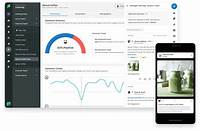
Sprout Social
ive social media management solutions, including scheduling, monitoring, and reporting features, to help you effectively manage your social media presence.

Sprout Social Review: Pros, Cons, Pricing & Features

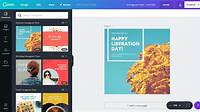
Canva
A user-friendly design tool that enables you to create visually appealing graphics for your social mediyour content stands out and attracts engagement.

Canva Review 2024 – New Features & Overall Ratings

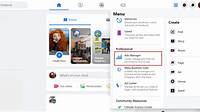
Facebook Ads Manager
Facebook’s native tool for creating, managing, and analyzing your advertising campaigns, providing detailed insights to optimize your ad performance.

Facebook Ads Manager – interface and controls overview

Buffer
A social media scheduling tool that helps you plan and publish your content at optimal times, ensuring consistent engagement with your audience.

3. Leverage Facebook’s Free Marketing Tools

Facebook offers a suite of free tools designed to help small businesses grow:

  • Meta Business Suite: Manage your Facebook and Instagram accounts, schedule posts, and analyze performance metrics from a single dashboard.
  • Facebook Creator Studio: Access advanced features for content creation, scheduling, and insights to enhance your marketing efforts.
  • Facebook Messenger: Engage with customers directly through messaging, providing personalized support and building relationships.

Utilizing these tools can streamline your marketing processes and improve efficiency

Implement Targeted Advertising Campaigns

While organic reach is valuable, investing in targeted Facebook ads can significantly expand your audience. To optimize your ad campaigns:

  • Define Clear Objectives: Establish specific goals, such as increasing website traffic, generating leads, or boosting sales.
  • Utilize Audience Targeting: Leverage Facebook’s robust targeting options to reach users based on demographics, interests, and behaviors.
  • Monitor and Adjust Campaigns: Regularly analyze ad performance and make data-driven adjustments to improve results.

Strategic advertising can enhance visibility and attract potential customers more effectively

Engage with Your Community

Building a loyal community requires active engagement:

  • Respond to Interactions: Acknowledge comments, messages, and reviews promptly to show appreciation and build trust.
  • Create a Facebook Group: Foster a sense of community by creating a group where customers can share experiences and insights related to your products or services.
  • Share User-Generated Content: Feature content created by your customers to showcase appreciation and encourage further engagement.

Active participation in your community strengthens relationships and encourages brand loyalty

Analyze Performance and Adapt Strategies

Regular analysis of your Facebook marketing efforts is essential for continuous improvement:

  • Monitor Key Metrics: Track engagement rates, reach, click-through rates, and conversions to assess performance.
  • Use Insights to Inform Decisions: Leverage data to understand what resonates with your audience and refine your content and advertising strategies accordingly.
  • Stay Updated with Platform Changes: Facebook frequently updates its features and algorithms; staying informed ensures your strategies remain effective.

Conclusion

Implementing these Facebook marketing strategies and utilizing the appropriate tools can significantly enhance your small business’s online presence. By creating engaging content, actively interacting with your audience, and analyzing performance metrics, you’ll be well-equipped to navigate the dynamic landscape of social media marketing.

Scroll to Top